Adolescence is one of the most special stages in life. It’s a time when teens begin the journey of discovering who they are, forming their own identity, and experiencing emotions that become more complex and unpredictable than ever. Within a single day, a teen can feel joyful and excited, then suddenly become sad, angry, or confused without knowing why.
Without learning how to recognize and regulate emotions, teens may easily fall into stress, act impulsively, get into conflicts with parents or friends, or put unnecessary pressure on themselves. So, how can they stay calm, clear-minded, and in control of their emotions during this “stormy” phase?
1. Understanding Their Emotions – The First Step Toward Self-Mastery
Before being able to control emotions, teens need to learn to recognize and name their emotions. When angry, sad or anxious, instead of reacting immediately, they should practice stopping and asking themselves: “What am I feeling? Where does this emotion come from? What makes me react so strongly?”. Stopping and thinking helps children not get caught up in the whirlwind of emotions, but has the opportunity to observe themselves more clearly.
This process is also a way to develop self-awareness – one of the most important foundational skills of emotional intelligence. When teens understand the root cause, they will feel less “swept away” and gradually form the ability to master the situation instead of being controlled by emotions. This is an important first step for children to become calmer and more mature in every decision.
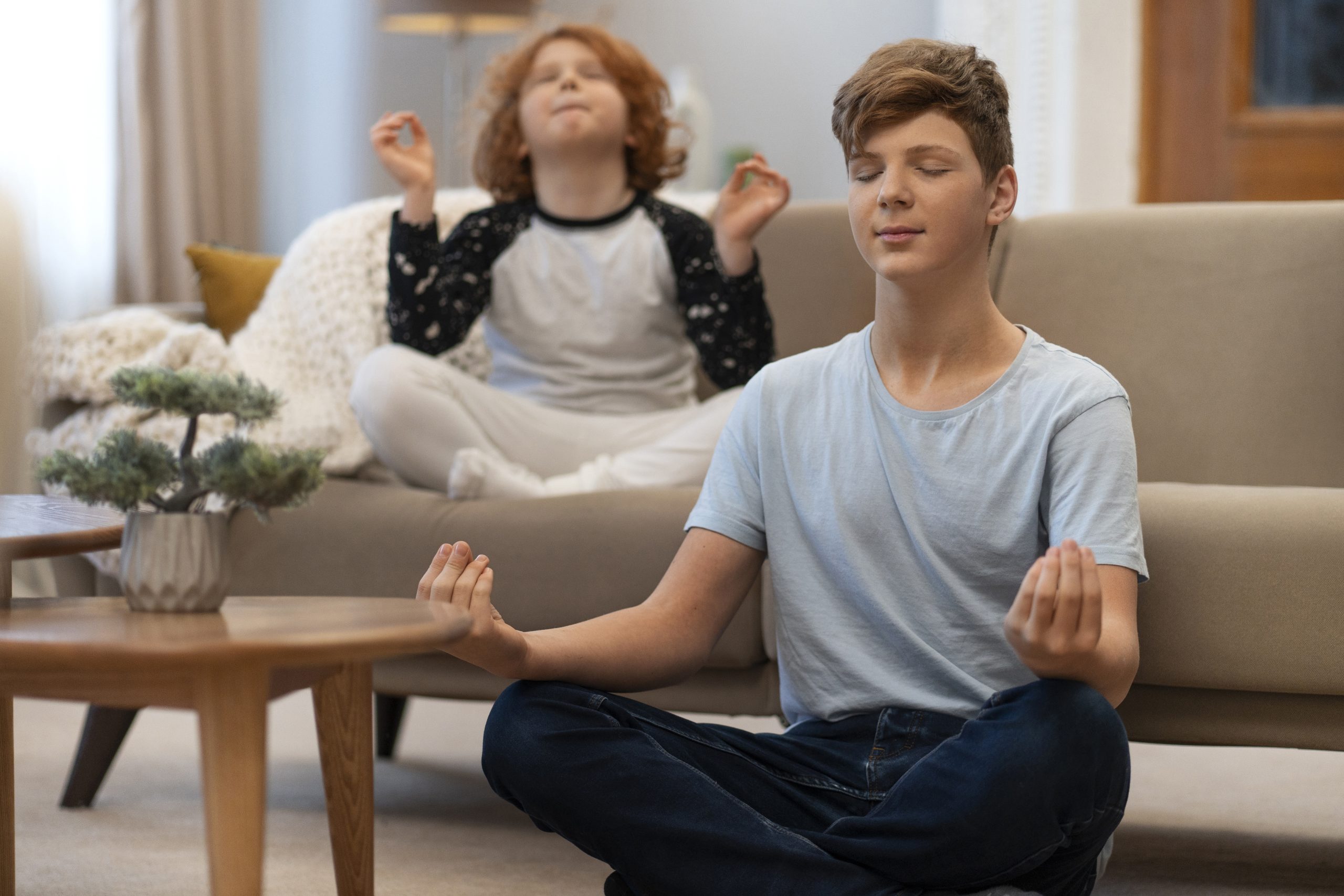
Recognizing emotions is the first step in helping teens learn to listen to themselves.
2. Learn to respond positively instead of exploding
Emotions are natural, but how you react is a choice. Instead of exploding and exploding, teens can learn safe ways to react, helping them release their emotions without hurting themselves or others. For example, a deep, even breathing exercise can help the nervous system relax, lower the heart rate, and thereby reduce stress immediately. This is a simple but effective skill, especially when your child feels anxious or angry.
In addition, keeping an emotional diary is also a good way for teens to express things that are difficult to put into words. When written down, emotions will be released and become easier to see. If the stress is still not relieved, your child can temporarily leave the situation – go for a walk, listen to music or do light exercise – to regain balance. In many cases, just a short period of calm is enough for your child to respond more appropriately.
In particular, parents should encourage their children to share with trusted people such as their parents, siblings or close friends. Having a support system to confide in helps teens feel they are not alone, and at the same time broadens their perspective to solve problems in a positive way.

Journaling, deep breathing, and exercise are all healthy ways to regulate emotions.
3. Maintain positive energy to balance emotions
Emotional control is not only about dealing with stressful situations, but also about cultivating positive energy every day. When your child maintains a healthy lifestyle, he or she will have a natural “shield” against mental pressure. Participating in sports, arts or extracurricular activities not only helps release energy but also brings joy, excitement and a sense of social connection.
A moderate lifestyle also plays an important role. Getting enough sleep, eating scientifically and limiting too much exposure to social networks will help teens stabilize their mood, reduce stress and maintain balance. These are seemingly small factors but have a direct impact on mental health and the ability to control emotions.
Parents can also build a “peaceful corner” in the house with their children. It can be a place where children read books, meditate, listen to music or simply sit quietly to relax. When teens have their own space to recharge, they will easily maintain a positive attitude and face difficulties with more calmness and optimism.

Sports, arts and healthy living habits help teens maintain positive energy
4.The role of parents – The most important companion
There is no better way to learn about emotional control than living in a safe, warm, and understanding environment. When your teen is at their most vulnerable, what they need is not judgment, but a trusting and patient embrace from their parents. When they know that their emotions are recognized, they will be more confident in expressing and learning to regulate.
A simple but effective way for parents to accompany is to proactively pay attention to their child’s daily emotions. Regularly ask: “How are you feeling today?” instead of just focusing on grades or academic achievements. When your child shares, listen completely, without interrupting or rushing to give advice. Just being listened to will help your teen feel relieved and understood.
In addition, parents can also recount their own emotional experiences to show their children that they have also experienced similar anger, anxiety, or sadness. When children realize that their parents have also faced and overcome difficulties, they will learn patience and believe that they can do it too. This is how parents become trustworthy companions, helping their children grow up and become stronger in controlling their emotions.

Parents are an important support, accompanying teens in managing emotions.
Adolescence is an important stage for forming emotional management skills – a decisive factor for future maturity and happiness. With the right support from parents, teenagers not only know how to control their emotions effectively but also become confident, courageous and positive young people. Remember, emotions are not enemies, but “companions” if children know how to listen, understand and adjust them.
Photo source: Freepik